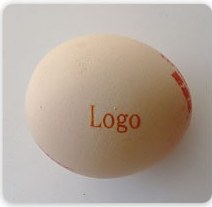
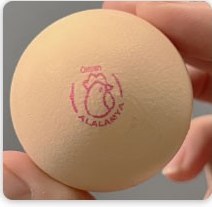
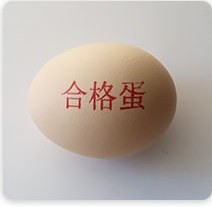
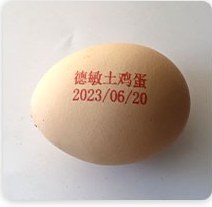
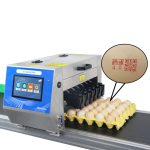
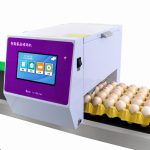
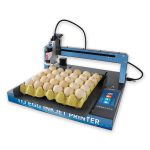
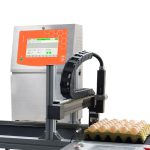
Up to 20 mm characters on a shell
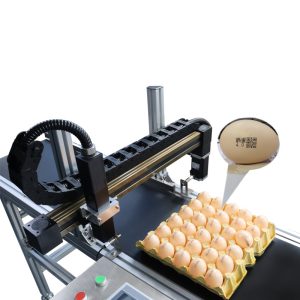
Print height runs from 2 to 20 mm — the largest in the range — which covers a fine date line as readily as a large batch number. The 3 to 30 mm working distance means the head does not have to hug the egg.
20 mm characters and database-driven codes on eggs
Model S200PLUS
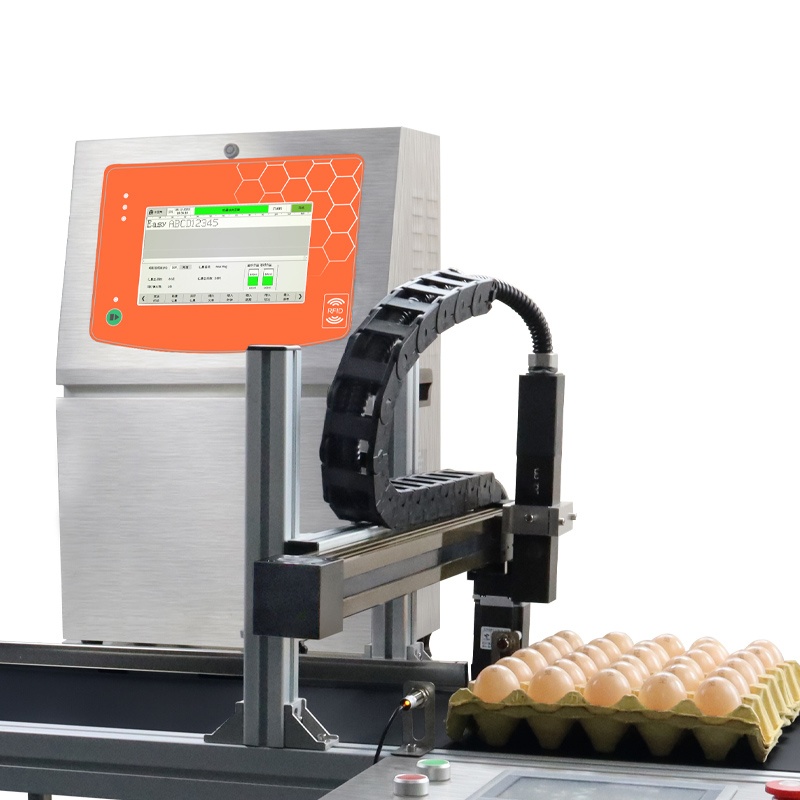
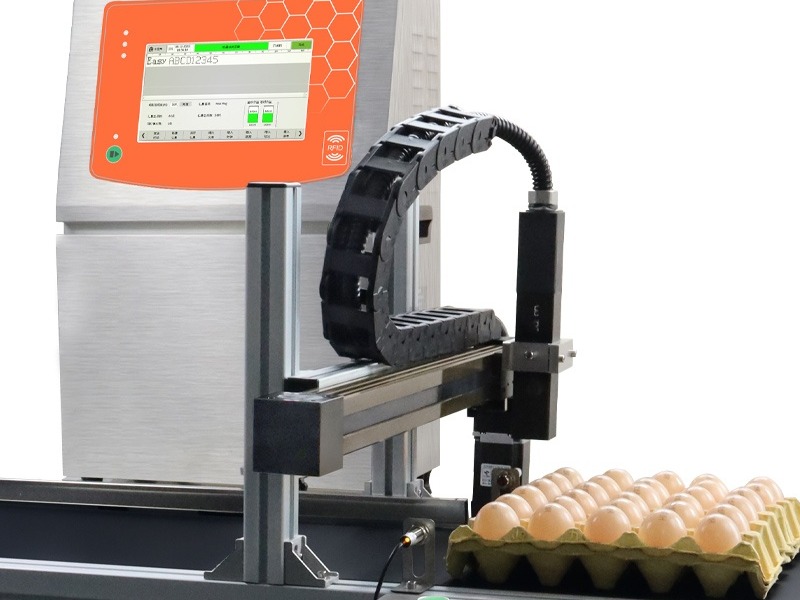
The SHICAI small character egg printer is built for lines that need more than a fixed date stamp. Print height runs from 2 to 20 mm — the largest in the range, against 12.7 mm on the three tray machines — with a working distance of 3 to 30 mm, so the head does not have to sit close to the shell.
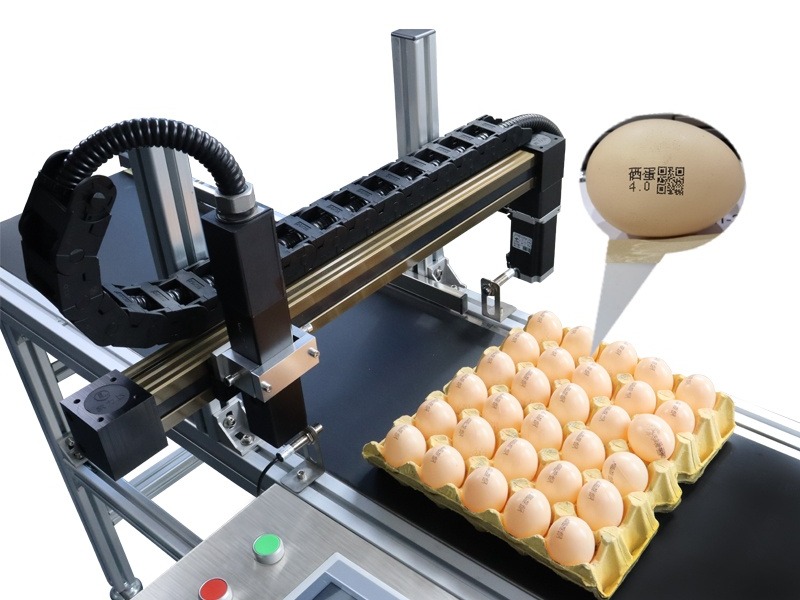
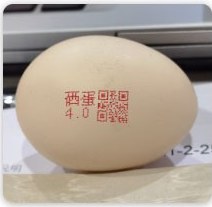
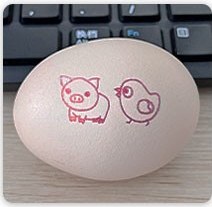
Beyond plain text and dates, the unit prints patterns, dynamic barcodes, QR codes, serial-port data and records pulled from an external database, useful wherever each egg or batch must carry a unique, database-linked code rather than the same static date.
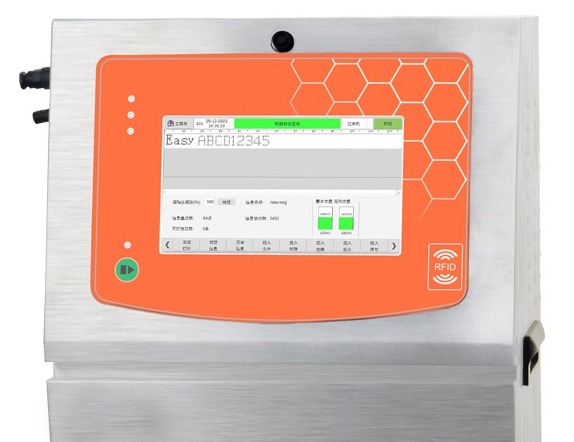
Rated power is 150 W from a 100–240 V AC supply. The controller is a 10.1-inch industrial touch screen running embedded Linux, with the interface in 14 languages — Chinese, English, Arabic, Danish, German, Russian, French, Finnish, Korean, Spanish, Norwegian, Japanese, Portuguese and Italian. Interfaces are USB, RS232 and Ethernet. The machine takes food-grade ink in black, red, blue, green or white, plus an invisible grade that only shows under UV for anti-counterfeit marking.

Reply within 24 hours · Shanghai, China · Ships worldwide
Codes arrive from your database instead of an operator retyping them.
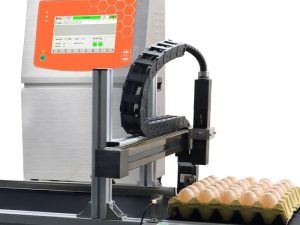
The head works 3 to 30 mm from the shell, so it can sit clear of the conveyor without a guide rail pressed against the egg.
Codes arrive over USB, RS232 or Ethernet: serial-port strings, database records, barcodes, or a fixed text job.
Each egg can carry its own code from the stream, in characters from 2 to 20 mm, with no operator in the loop.
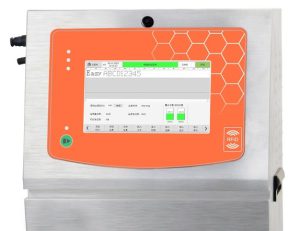
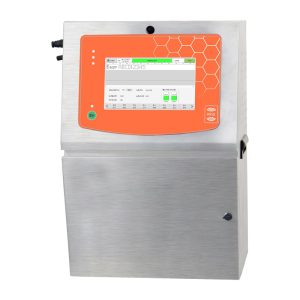
The parts of the machine that decide throughput, code quality and how long a changeover takes.
Print height runs from 2 to 20 mm — the largest in the range — which covers a fine date line as readily as a large batch number. The 3 to 30 mm working distance means the head does not have to hug the egg.
Beyond text and dates, the unit prints patterns, dynamic barcodes, QR codes, serial-port data and records pulled from an external database. Each egg can carry a unique, database-linked code rather than the same static date.
The controller is a 10.1-inch industrial touch screen running embedded Linux, in Chinese, English, Arabic, Danish, German, Russian, French, Finnish, Korean, Spanish, Norwegian, Japanese, Portuguese and Italian. Rated power is 150 W.
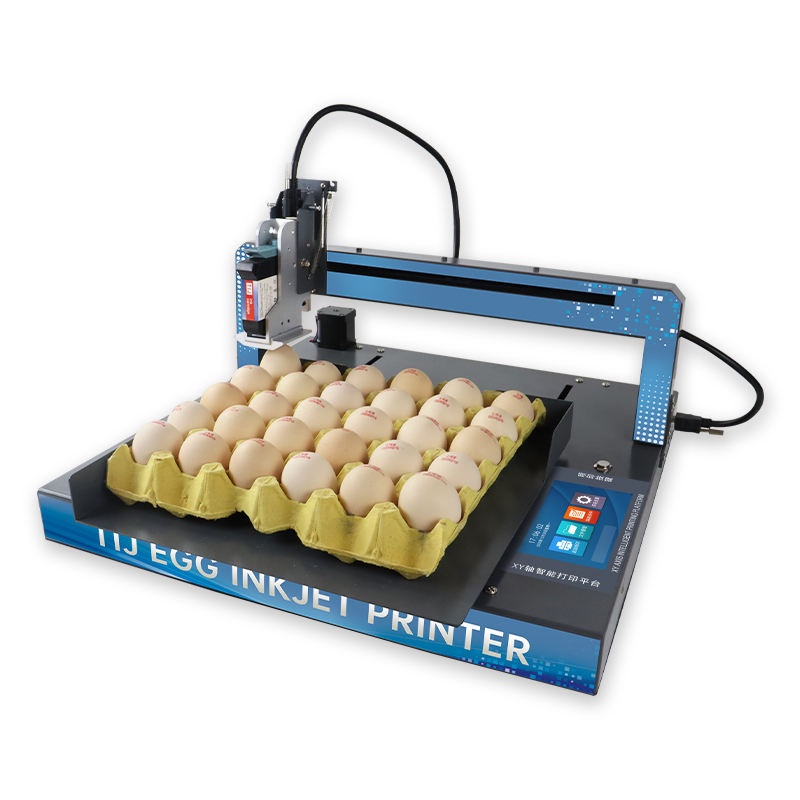
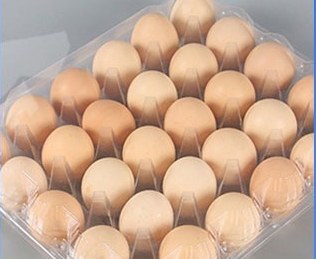
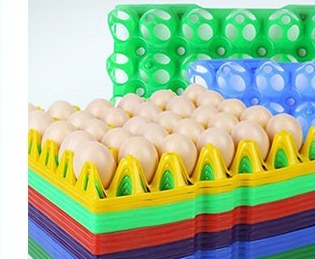
If your line uses one of these, the tray needs no adapter.
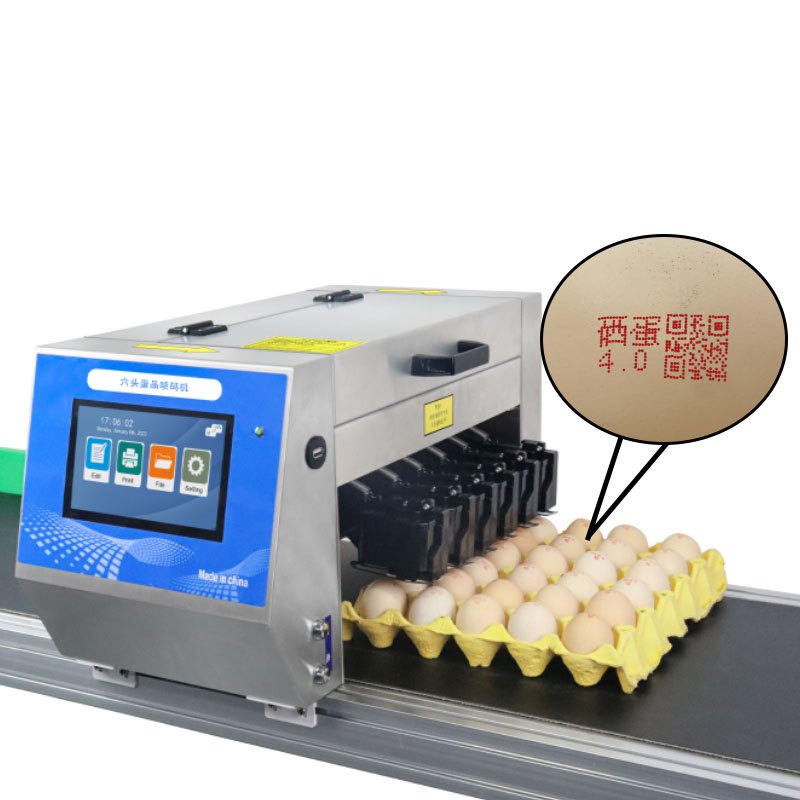
Photographed on real eggs, not rendered artwork.
| Model | S200PLUS |
|---|---|
| Print height | 2–20 mm |
| Print distance | 3–30 mm |
| Print range | 5 × 6 trays (30 eggs) |
| Print speed | 15 seconds per tray (standard 5 × 6 tray, 30 eggs) |
| Rated power | 150 W |
| Power supply | 100–240 V AC |
| Screen | 10.1-inch industrial touch screen |
| Operating system | Embedded Linux |
| External interfaces | USB, RS232, Ethernet |
| Print content | Text, dates, patterns, dynamic barcodes, QR codes, dynamic serial-port data, database records |
| Ink type | Food grade, high adhesion, anti-migration, oil resistant |
| Ink colours | Black, red, blue, green, white, invisible |
| Languages | 14 — Chinese, English, Arabic, Danish, German, Russian, French, Finnish, Korean, Spanish, Norwegian, Japanese, Portuguese, Italian |
| Control cabinet | 446 × 243 × 667 mm |
| Conveyor frame | 1,500 mm long, 750 mm high |
| Printing material | Eggs |
| Warranty | 12 months |
Same factory, four different jobs. Pick the row that matches your line.
| Machine | Best for | Coverage | Speed | Resolution | Height | Interface |
|---|---|---|---|---|---|---|
Six Head Egg Inkjet Printer
S10-6
|
High-volume grading lines on standard trays | 5 × 6 trays (30 eggs) | ≈ 36,000 eggs/hour 20 trays/min | 600 dpi HD | Maximum 12.7 mm | USB / HDMI |
Six Nozzle Egg Coding Machine
S600D
|
Mixed tray layouts that must not be sorted | 5 × 6 trays (30 eggs) | ≈ 36,000 eggs/hour 20 trays/min | 300–600 dpi, adjustable | 2–12.7 mm × 6 nozzles | USB, RS232 |
XY110 Egg Inkjet Printer
XY110
|
Smaller farms, duck eggs and mixed sizes | 5 × 6 trays (30 eggs) | ≈ 9,800 eggs/hour 30 eggs in ~11 s | 300–600 dpi, adjustable | 2–12.7 mm, adjustable | USB, DB9 |
Small Character Egg Printer
S200PLUS
|
20 mm characters, database codes | 5 × 6 trays (30 eggs) | ≈ 7,200 eggs/hour 15 s per tray | — | 2–20 mm | USB, RS232, Ethernet |
Hourly figures are calculated from the speed the factory publishes, on a standard 5 × 6 tray (30 eggs). Real throughput follows your line speed, loading and stoppages. A dash means the factory has not published that figure — ask us and we will confirm it against your line.
An egg date printer is an egg coding machine focused on printing dates on shells: production (packing) date, expiry or best-before date, and sometimes Julian date formats required by certain markets. Printing the date directly on the egg tells the shopper exactly how fresh the product…
Read the full answerAn egg batch code printer applies a lot or batch number to each egg so a group of eggs can be identified by production time, line and shift. Batch codes are the backbone of traceability: if a quality issue appears, the exact lot can be located…
Read the full answerEgg printers print best-before or expiry dates automatically using an internal real-time clock, so the code updates daily with no manual editing. You can print production date, best-before date, or both, in the format your market requires (standard, Julian, or custom). The mark uses fast-drying food-grade…
Read the full answerA Julian date is the day of the year expressed as a number (001–365). Some markets require eggshells to show the Julian pack date so freshness and age are unambiguous. Egg printers support Julian date formats alongside standard dates, so you can comply with multiple market…
Read the full answerYes. Egg printers with sufficient resolution (300–600 DPI) can print scannable QR codes directly on the shell. These codes can link to farm stories, recipes, or traceability records. QR codes are popular for anti-counterfeiting and farm-to-table marketing: a shopper scans the egg to see where and…
Read the full answerAn egg traceability printer puts a unique, scannable identifier (QR or barcode) plus batch and date on each egg. Scanning it can reveal the farm, production date, shift and grading line. This "identity card" lets producers, retailers and consumers follow the egg from farm to table.…
Read the full answerSend the tray type, eggs per hour and current marking step. We reply with the head count and a price within 24 hours.
Setup walks, line-speed maths and compliance notes from our Solutions desk that name the Small Character Egg Printer.
Your Farm Logo on Every Egg: Custom Egg Marking
How custom egg marking works in practice: two routes to a farm logo on the shell, the size and position mistakes, and what keeps the ink…
Read the guide
Egg Printing Machine: Fix Faded Codes for Good
Four reasons an egg printing machine fades a code mid-shift: ink, print gap, line speed and temperature, and the baseline that makes diagnosis easy.
Read the guide
Julian Date on Eggs: How to Read 001 Before You Print It
Julian date on eggs is the day of the year as three digits. How to read 001 to 365, why packers count days, and where the…
Read the guide
5 Egg Coding Mistakes That Cost You Downtime
Five egg coding mistakes that cost a shift: trigger timing, head height, cartridge storage, crowded codes and missing spares, plus the fix for each.
Read the guide
Tell us about your line — we reply within 24h.