Six Nozzle Egg Coding Machine

Six nozzles, one full tray, no sorting needed

Model S600D

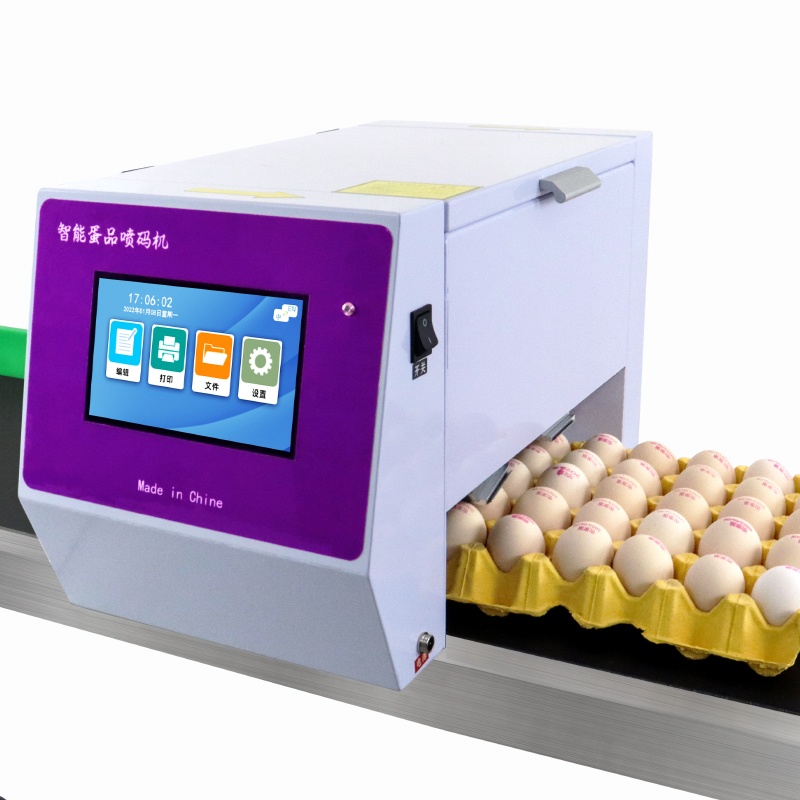
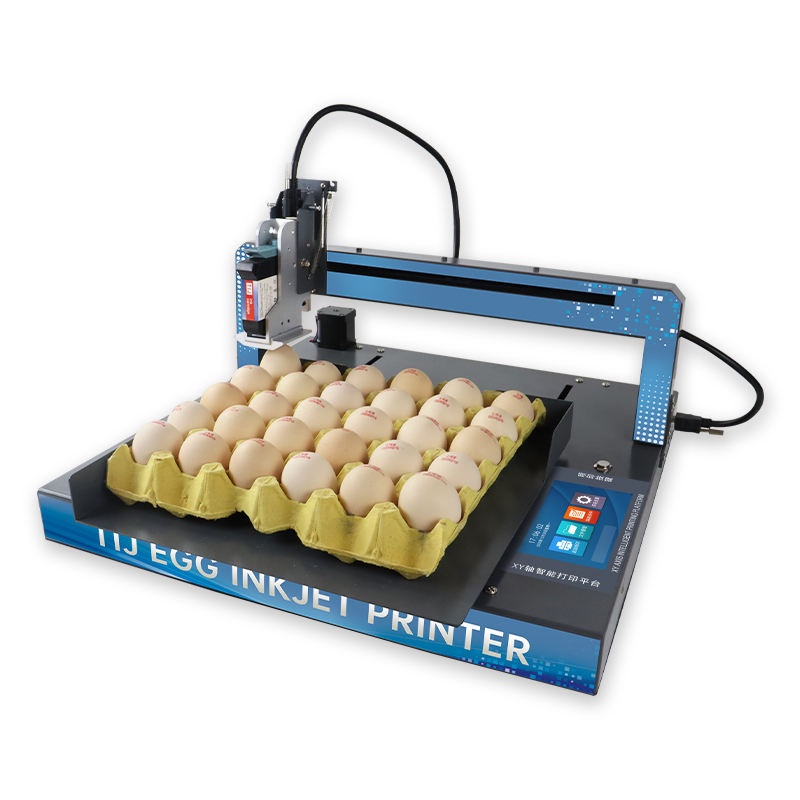
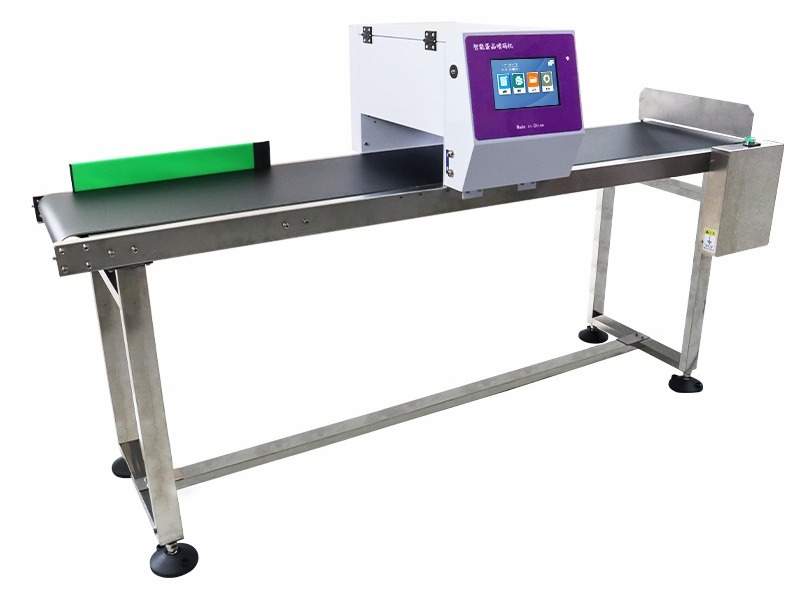
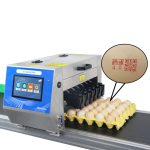
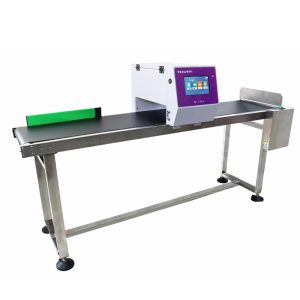
The SHICAI six-nozzle egg coding machine runs a full 5 × 6 tray under six independent nozzles in a single pass, so eggs are never sorted or handled one at a time. It ships as a complete station — stainless conveyor, pallet retaining baffles at the infeed and the head bar over the belt — rather than a bare print head waiting for someone to build a line around it.

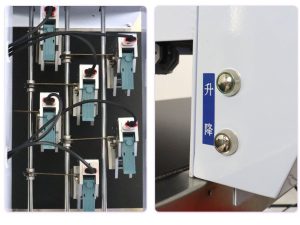
Each of the six nozzles can be assigned its own print content, and nozzle height is adjusted electrically with a one-key lift. Print height runs from 2 to 12.7 mm, and resolution is adjustable from 300 to 600 dpi on the machine. Codes cover Chinese and English characters, QR and barcodes, graphics, serial numbers, dates, shifts and variable databases.

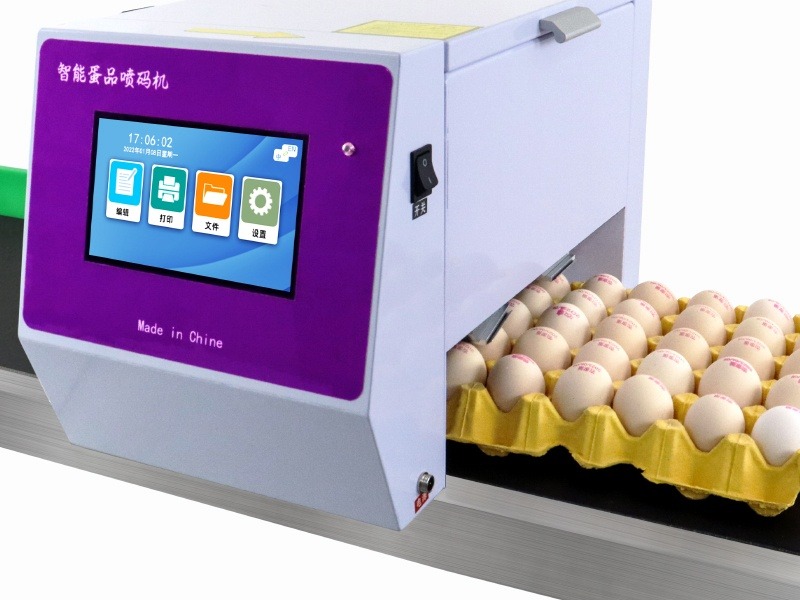
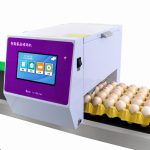
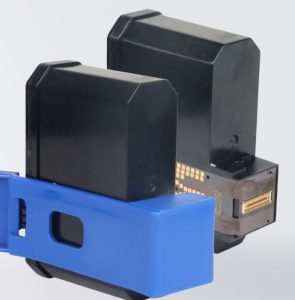
The controller is a 7.0-inch capacitive screen. Codes can be imported from a USB flash drive, the interfaces are USB and RS232, and the ink path takes food-grade, water-based or oil-based 42 ml cartridges in red, yellow, blue, green, black and white. The print head cleans itself and is maintenance free, the interface ships in 25 languages, and line speed stays adjustable so the coder follows the grader rather than setting its pace.

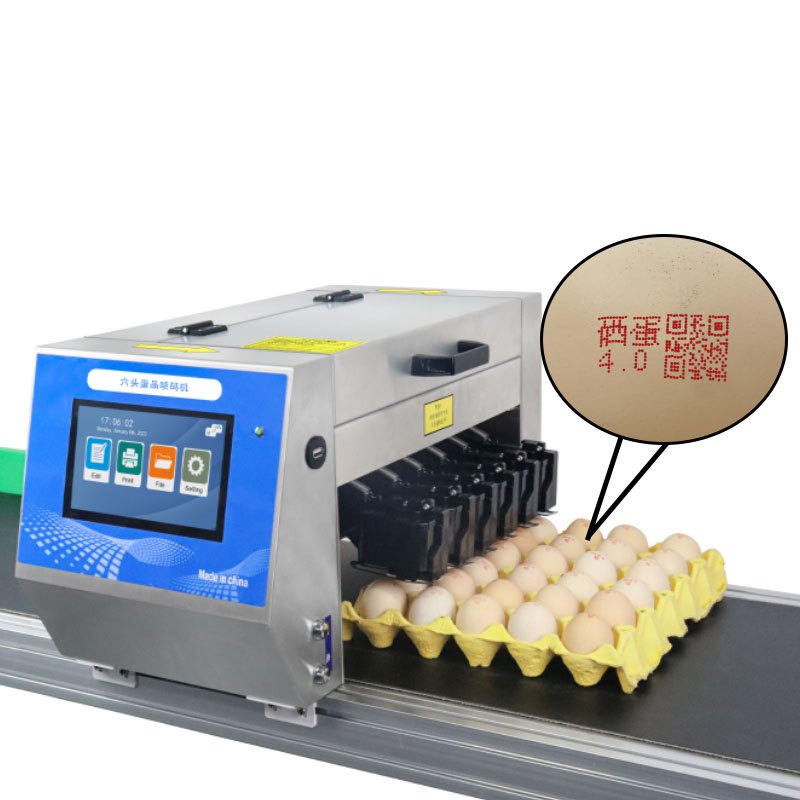
  • 6 nozzlesOne per tray column
  • 2–12.7 mmPrint height
  • 300–600 dpiAdjustable resolution
  • 25Interface languages

Reply within 24 hours · Shanghai, China · Ships worldwide

How it works

Three steps, thirty eggs

No sorting, no breaking the tray apart, no second pass.

  1. 1

    Load the tray

    A standard 5 × 6 tray goes onto the conveyor and runs under the head bar. The tray is never broken apart.

  2. 2

    Pick the job

    Choose the saved code on the 7.0-inch capacitive screen, or import a new one from a USB stick. Interface runs in 25 languages.

  3. 3

    One pass codes the tray

    All six nozzles fire across the tray, so the full 5 × 6 plate leaves the belt coded. No second pass, no re-sorting.

In detail

What you are actually buying

The parts of the machine that decide throughput, code quality and how long a changeover takes.

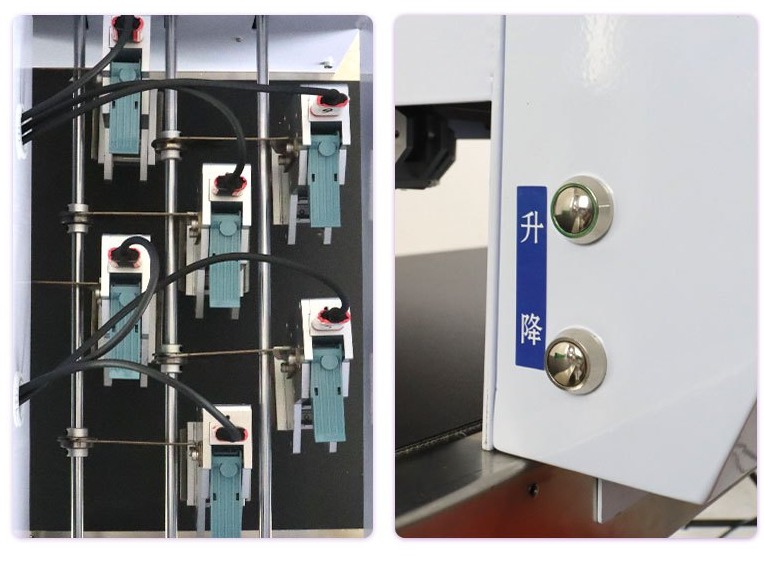
Six-nozzle head bar (detail)
Head bar detail: independent nozzles, each with its own feed and height adjustment.
Head bar

Six nozzles, each with its own job

Every nozzle can be assigned its own print content, so a single pass can put a different lot code, date or farm name on each column of the tray. Height adjustment runs 2 to 12.7 mm on an electric one-key lift.

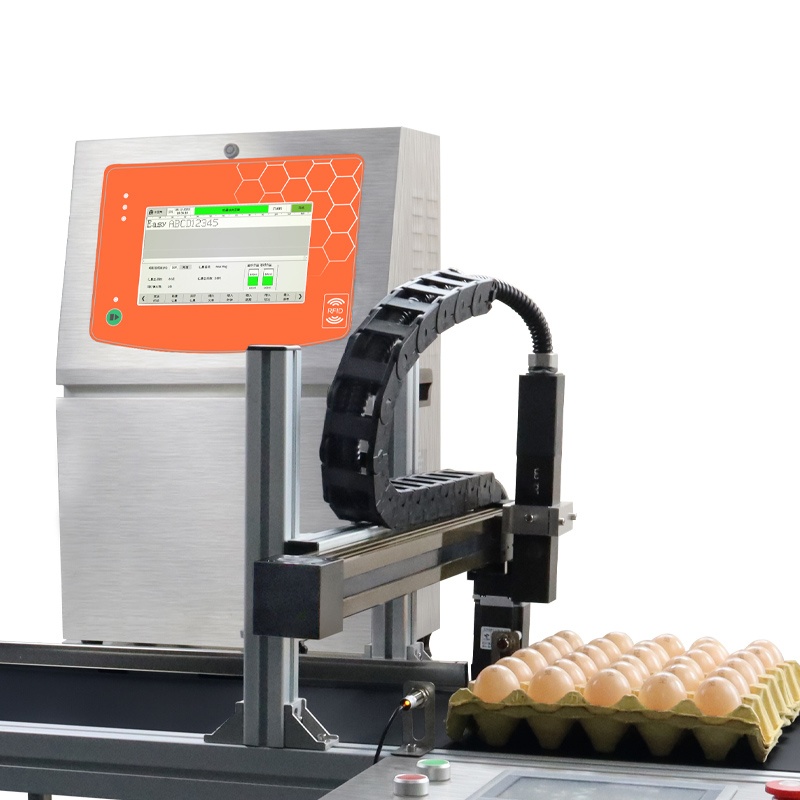
Six Head Egg Coding Machine — inline installation
Complete coding station: conveyor, retaining baffles and head bar on one frame.
Inline fit

A complete station, not a bare head

Six nozzles sit on a stainless conveyor with pallet retaining baffles at the infeed, so the machine is installed as one unit and the tray runs through at line speed. Because the whole plate is printed in one pass, eggs are never lifted out, sorted and put back.

Six Head Egg Coding Machine — front view
7.0-inch capacitive screen with the job stored on the machine.
Controls

Job changes happen on the machine

The 7.0-inch capacitive screen holds the job, so a shift change is a tap rather than a setup. Codes can be imported from a USB flash drive, and resolution is adjustable from 300 to 600 dpi.

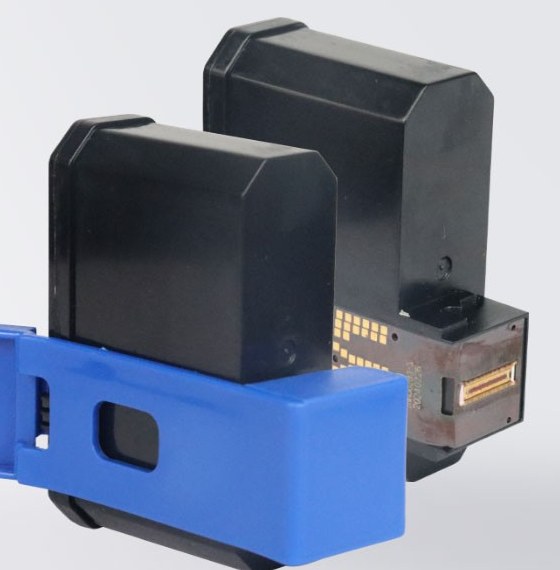
Food-grade water-based ink cartridge used in the S10-6 egg printer
Food-grade 42 ml cartridge.
Ink

Food-grade ink in 42 ml cartridges

The machine takes 42 ml food-grade cartridges in water-based or oil-based ink. The head bar prints without touching the shell, so there is no pad to clean and no pressure mark on the egg.

Compatibility

Trays it already handles

If your line uses one of these, the tray needs no adapter.

Paper cartons Standard 30-egg cartons straight off the grader.
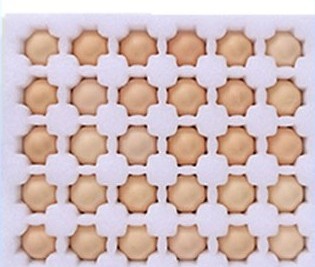
Foam trays
Foam trays Moulded foam trays, including the deeper export pattern.
Plastic cartons
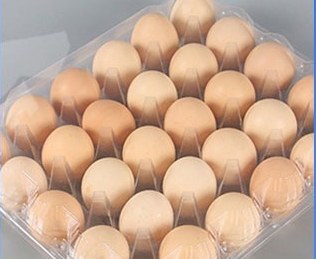
Plastic cartons Clear plastic cartons for retail packs.
Plastic trays
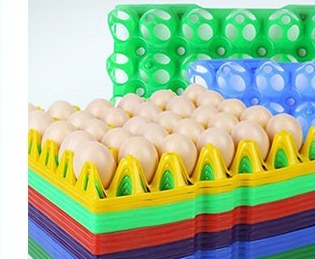
Plastic trays Stackable trays used on farm collection rounds.
Printed results

What the code looks like on the shell

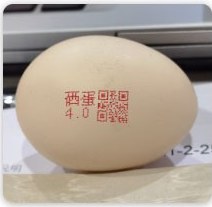
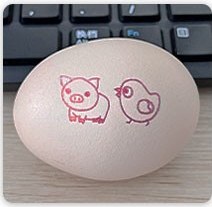
Photographed on real eggs, not rendered artwork.

QR and lot code printed on an egg
QR and lot code
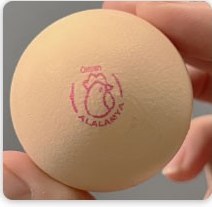
Pattern printed on an egg
Pattern
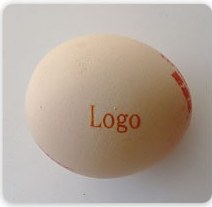
Logo printed on an egg
Logo
Image and text printed on an egg
Image and text
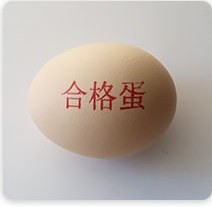
Text printed on an egg
Text
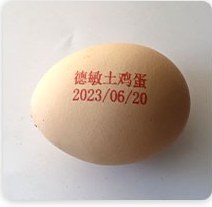
Date and batch printed on an egg
Date and batch
Specifications

Full technical data

ModelS600D
Print range5 × 6 trays (30 eggs)
Print speed20 trays per minute (standard 5 × 6 tray)
Print resolution300–600 dpi, adjustable
Character height2–12.7 mm × 6 nozzles
Print distance2–5 mm optimal
Screen7.0-inch capacitive touch screen
Operating systemMachine OS
Body materialMetal body
MaintenanceAutomatic cleaning, maintenance free
Nozzle controlEach nozzle editable independently; any nozzle can be combined with related content
Ink typeFood-grade / water-based / oil-based, 42 ml cartridge
Ink coloursRed, yellow, blue, green, black, white
Print contentChinese and English characters, QR and barcodes, graphics, serial numbers, dates, shifts, variable databases
External interfacesUSB, RS232
Rated voltage110V / 220V, 50/60 Hz
Languages25 languages including Chinese, English, Russian, French, Arabic, etc
Printing materialEgg
Warranty12 months
Which machine

Compare the range

Same factory, four different jobs. Pick the row that matches your line.

Machine Best for Coverage Speed Resolution Height Interface
Six Head Egg Inkjet Printer Six Head Egg Inkjet Printer S10-6 High-volume grading lines on standard trays 5 × 6 trays (30 eggs) ≈ 36,000 eggs/hour 20 trays/min 600 dpi HD Maximum 12.7 mm USB / HDMI
Six Nozzle Egg Coding Machine Six Nozzle Egg Coding Machine S600D Mixed tray layouts that must not be sorted 5 × 6 trays (30 eggs) ≈ 36,000 eggs/hour 20 trays/min 300–600 dpi, adjustable 2–12.7 mm × 6 nozzles USB, RS232
XY110 Egg Inkjet Printer XY110 Egg Inkjet Printer XY110 Smaller farms, duck eggs and mixed sizes 5 × 6 trays (30 eggs) ≈ 9,800 eggs/hour 30 eggs in ~11 s 300–600 dpi, adjustable 2–12.7 mm, adjustable USB, DB9
Small Character Egg Printer Small Character Egg Printer S200PLUS 20 mm characters, database codes 5 × 6 trays (30 eggs) ≈ 7,200 eggs/hour 15 s per tray — 2–20 mm USB, RS232, Ethernet

Hourly figures are calculated from the speed the factory publishes, on a standard 5 × 6 tray (30 eggs). Real throughput follows your line speed, loading and stoppages. A dash means the factory has not published that figure — ask us and we will confirm it against your line.

Questions

Before you ask

What Is an Egg Coding Machine?

An egg coding machine is the industrial name for equipment that applies codes (dates, batch numbers, serial numbers, QR codes) onto eggshells. In practice it is the same family of devices as an egg printer or egg inkjet printer; "coding" emphasizes the traceability and compliance data…

Read the full answer
Can an Egg Printer Connect to an Egg Grader?

Yes. Most commercial egg printers are designed to integrate with egg graders and washers from brands such as MOBA, SANOVO/STAALKAT and ZENYER. The coder mounts on the grader's conveyor or feeding roller so coding happens inline as eggshells are graded, weighed and checked for cracks. Integration…

Read the full answer
How Many Eggs Can an Egg Printer Do per Hour?

Capacity scales with heads and automation. A six-head TIJ coder handles around 36,000 eggs/hour on 30-egg trays at 20 trays per minute. A single-head inline unit manages roughly 15,000–20,000 eggshells an hour, and handheld models far less again. To plan, divide your daily egg count by…

Read the full answer
How Do You Operate an Egg Printer Step by Step?

Running an egg printer comes down to six steps between power-on and the shutdown clean, and a new operator can learn them in one shift. The routine below is the one we walk buyers through during commissioning. Place empty cartons at the collection end and load…

Read the full answer
Egg Coding Machine Buying Guide: Key Specs to Compare

When comparing egg coding machines, check these specs: Resolution – 300–600 DPI for crisp codes and scannable QR. Speed – eggs/min or trays/min; match to your line. Drying time – the code should set before the tray reaches packing; ask for the set time on your…

Read the full answer
How Do You Replace an Egg Printer Ink Cartridge?

To replace a cartridge: power off the printer, remove the old cartridge, wipe the nozzle area with the supplied cloth, and install the new food-grade cartridge until it clicks. Wear gloves to avoid skin contact with ink, and keep ink and cleaning fluid away from eyes…

Read the full answer

Tell us your line speed

Send the tray type, eggs per hour and current marking step. We reply with the head count and a price within 24 hours.

Get a quote WhatsApp Email
Field notes

Guides written for this machine

Setup walks, line-speed maths and compliance notes from our Solutions desk that name the Six Nozzle Egg Coding Machine.

  1. Editor's pick Nov 5, 2026 · 4 min read Egg Traceability at Tens of Thousands a Day The four fields that earn their place in egg traceability at tens of thousands of eggs a day, and the coding habits that keep the chain… Read the guide
  2. Editor's pick Nov 4, 2026 · 4 min read Egg Printing 2026: What Changed, What to Buy Egg printing in 2026: three shifts in traceability and ink choice, what still works on a packing line, and the two numbers that decide head count. Read the guide
  3. Nov 4, 2026 · 4 min read Eggs Printer Reality Check: 5 Things Buyers Miss Typing eggs printer means two different machines. Five things buyers miss about mounting, ink rules, commissioning and support, before comparing quotes. Read the guide

See every guide and field note →